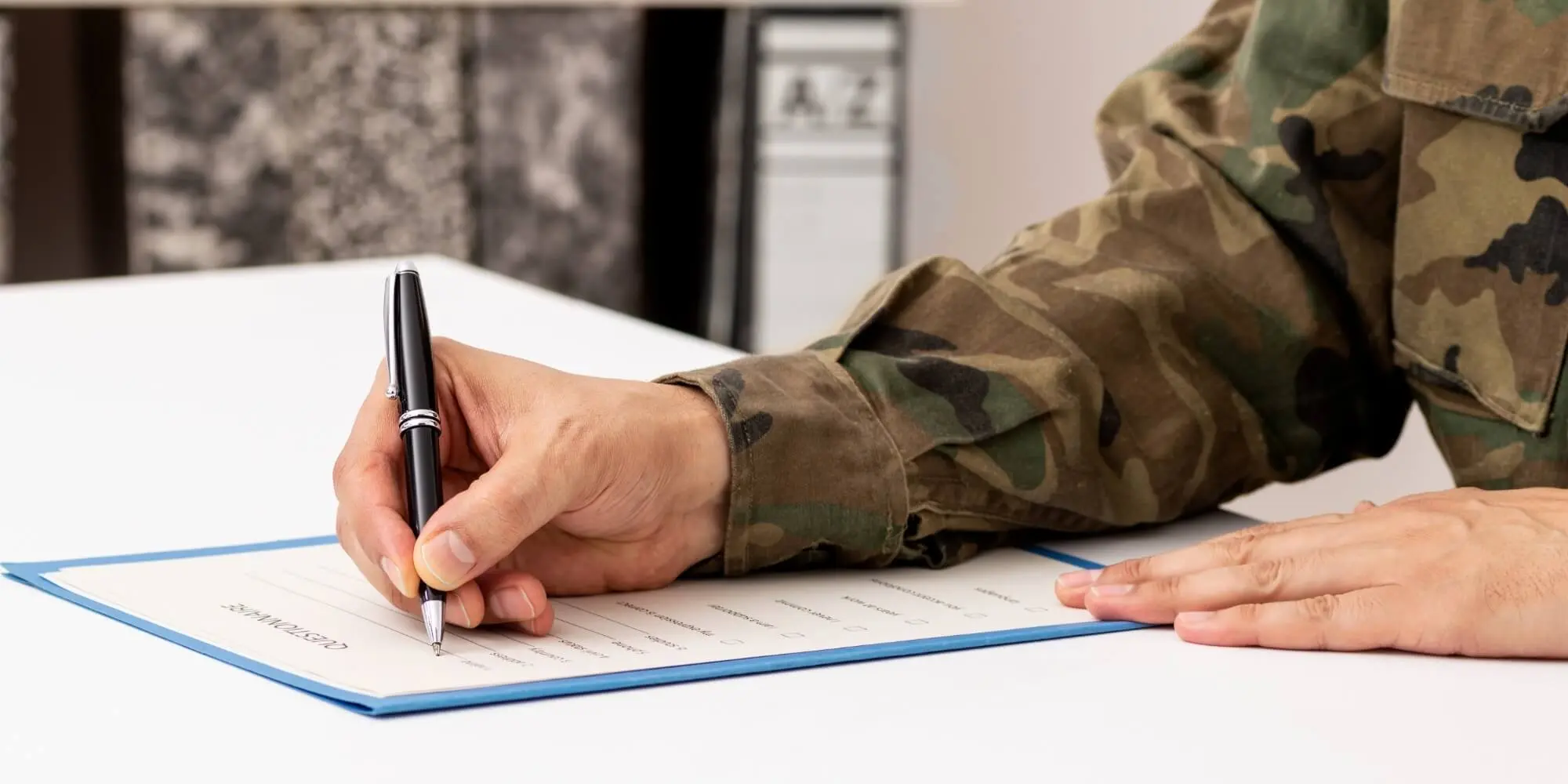
Common Mistakes Veterans Make When Filing VA Disability Claims
If you are a veteran living with an injury, illness or mental health condition connected to your military service, you may be eligible for disability compensation through the Department of Veterans Affairs (VA). The VA states that: “Veterans who have disabilities, medical conditions or injuries incurred or aggravated during active military service—no matter when or where they served—may be eligible to receive tax-free monthly benefits.” These are known as service-connected disabilities and can include physical injuries, illnesses and mental health conditions such as PTSD.
Top Priority: Take the First Step!
Surprisingly, there is a filing gap: Allsup reports that 4 in 10 veterans have a service-related disability, yet less than one-third file VA disability claims. It’s true that filing a claim may feel daunting and cause hesitation on your part. Fortunately, learning common mistakes, knowing how to avoid them and having an attorney in your corner, can help the process feel less stressful.
What Are Five Common Mistakes Veterans Make When Filing for VA Disability Benefits?
Kiplinger reports the five most common VA disability filing mistakes:
Mistake 1: Waiting Too Long to File
The VA approval process doesn’t happen overnight—it typically takes the VA months to process a disability claim.
Mistake 2: Having an Incomplete Diagnosis or Treatment History
Unclear or incomplete medical records can slow or stall the approval process.
Mistake 3: Failing to Show a Clear Connection
Evidence of a current condition, an in-service event, injury or exposure and a connection between the two is generally needed to establish direct service connection. This is even more crucial after the landmark PACT Act, which accepts more service-connected illness claims.
Mistake 4: Not Requesting Priority Processing When You Qualify
The VA offers an expedited appeals review process for veterans in need to help you receive their earned benefits faster.
Mistake 5: Not Claiming Unemployability as a Result of the Disability
If you can’t work because of a disability related to your military service, you may qualify for Individual Unemployability. This means you may be eligible for disability compensation or benefits at the same level as a veteran who has a 100% disability rating.
How Do I Start the Application Process?
To start the application process, gather key documents such as your discharge or separation papers, Department of Veterans Affairs medical records and medical evidence of your condition and dependency records, if applicable. The process involves detailed forms and strict requirements, so legal guidance can be valuable from the get-go. A VA-accredited attorney or representative can explain the requirements, help identify missing evidence and assist with eligible stages of the claims or appeals process.
5 Steps to Avoid Common VA Disability Application Mistakes
Step One: Identify the Conditions You’re Claiming
Before filing, we take time to identify the conditions you believe are related to your service, including:
- Injuries from training, combat or accidents
- Conditions that developed during service
- Conditions that worsened because of service
- Secondary conditions caused by a service-connected disability
Failing to identify a condition in your claim may delay consideration of that condition and affect the benefits or effective date associated with it.
Step Two: Gather Supporting Evidence
Strong evidence (complete and relevant evidence) can make or break your VA claim. When possible, include:
- Service treatment records
- VA or private medical records
- Medical opinions or other evidence connecting the condition to military service, when required
- Statements from you, family members or fellow service members
Step Three: File the Claim
When filing, be specific. Claims can be filed online at VA.gov, by mail or fax using VA forms, or in person at a VA regional office. Once filed, the VA will begin reviewing the claim, request your medical records and military records and may schedule Compensation & Pension (C&P) exams to evaluate your conditions.
Step Four: Attend All VA Exams
The VA may schedule a C&P examination when it needs additional information to decide your claim or determine the severity of a condition. These exams are not treatment appointments—these examinations can help the VA evaluate whether a condition is connected to military service and determine the appropriate disability rating.
Take as much information to the exam as possible, including:
- Medical records that establish a diagnosis and treatment
- Military records that show where and when you served
- In-service treatment records showing you were treated for the condition
- Any other relevant evidence
Step Five: Wait for a Decision
VA claims take time. After reviewing the evidence and exams, the VA issues a Rating Decision that explains:
- Whether each condition was granted or denied
- If denied, the basis of the denial
- If granted, the assigned disability rating and the reasons for that rating
- If granted, the effective date and monthly benefit amount
Some first-time claims are denied or receive a lower rating than the veteran expected. If you disagree with the decision, review the reasons provided and determine which decision-review option may apply.In this situation, your attorney can help guide your next steps.
Legal Guidance Can Make a Difference for Your VA Disability Claim
As you can see, VA disability decisions are complicated. A VA-accredited attorney can help identify potentially compensable conditions, determine what evidence may be needed, prepare you for the claims process and challenge a denial or disability rating when appropriate. The team at Black & Jones is experienced in handling VA compensation claims throughout Rockford, Illinois, Winnebago County and the surrounding northern Illinois area. Contact us today (815) 967-9000 or fill out this form to schedule a free consultation.